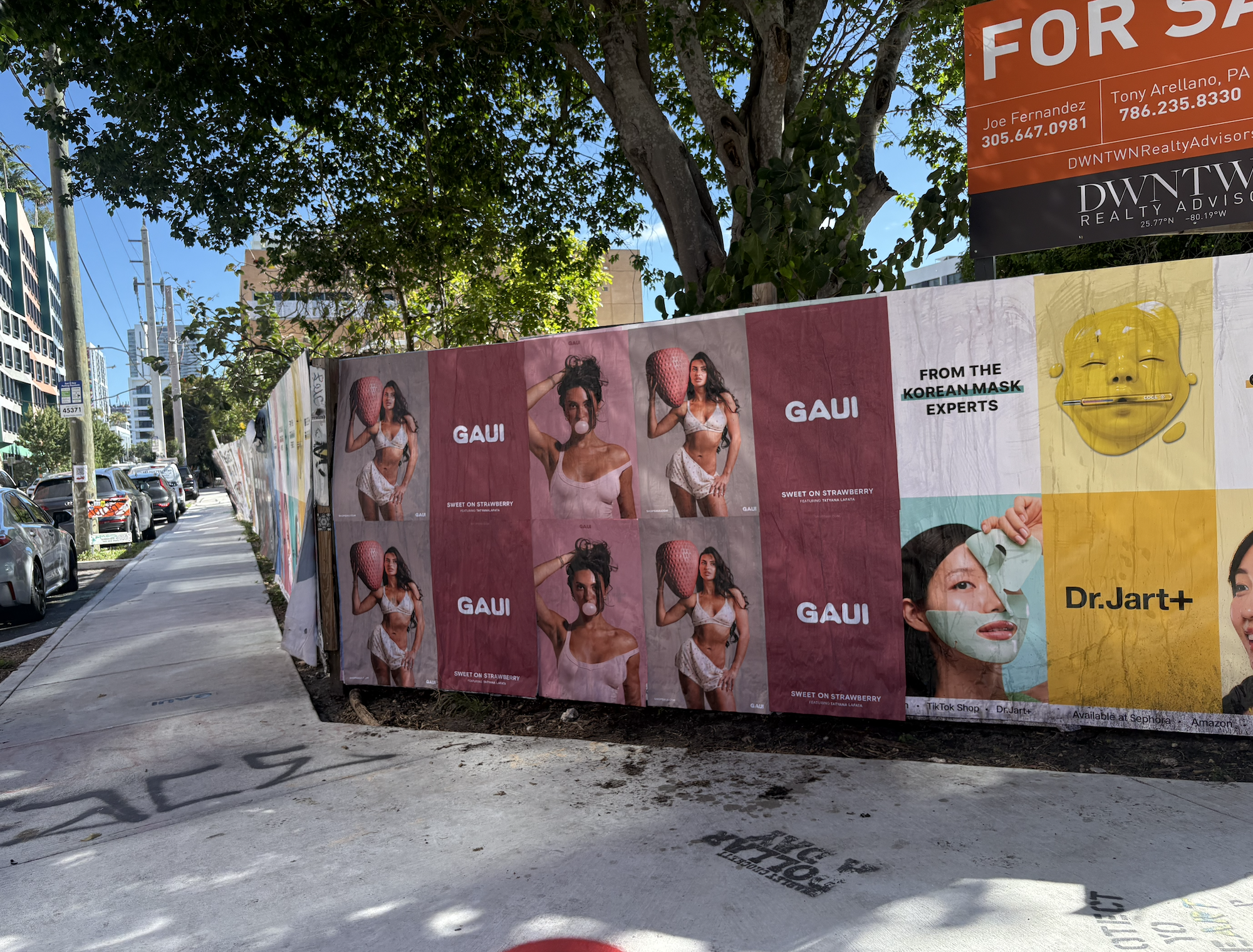
Sauced Lab has built its reputation in New York City’s wheatpaste poster advertising industry by operating on something far more precise than intuition alone. In a market where street-level attention is fragmented and competitive, the difference between a poster being seen and a poster being ignored often comes down to strategy, placement logic, and localized understanding of how each neighborhood actually functions.
On a monthly basis, Sauced Lab executes approximately 15–20 campaigns, representing 15–20 different clients across a wide range of industries. That volume translates into the installation of roughly 20,000 wheatpaste posters every month, spanning standard and large-scale formats such as 24x36, 48x72, and occasionally 18x24 depending on campaign needs and visibility goals.
But the scale is only part of the story.
Moving Beyond Intuition: A Systemized Approach to Street Advertising
From the beginning, Sauced Lab recognized a core limitation in traditional wheatpaste execution: treating New York City as a single advertising environment. In reality, each borough—and even each neighborhood—operates like a different media ecosystem.
Rather than relying on guesswork or generic placement strategies, Sauced Lab developed a structured approach built around localized planning, audience behavior, and traffic flow analysis. Every campaign begins with a simple question: who is this message for, and where are those people actually moving throughout the city?
This mindset has led to a more deliberate separation of strategy across boroughs.
Borough-Based Strategy: Why Location Changes Everything
In Brooklyn, wheatpasting is deeply connected to cultural energy and neighborhood identity. Areas like Park Slope, DUMBO, Brooklyn Heights, Bushwick, Williamsburg, and Fort Greene each carry different rhythms. Some zones are driven by nightlife and creative industries, while others are shaped by residential foot traffic and local commerce. Sauced Lab adapts placements accordingly, focusing on street-level visibility where audiences naturally pause, gather, or commute through consistently.
In Manhattan, the approach shifts again. Lower Manhattan neighborhoods such as Chinatown, the Financial District, Soho, Nolita (NoHo), and the West Village require placement strategies that account for dense pedestrian movement, tourist-heavy corridors, and fast-paced foot traffic. Here, visibility depends on precision—eye-level positioning and repeated exposure along high-density walking routes matter significantly more than broad distribution.
In Midtown, as well as the Upper East Side and Upper West Side, campaigns are tailored toward commuter traffic, commercial corridors, and transit-adjacent visibility. The objective is not just exposure, but repeated impressions within short time windows where attention is already divided between movement and media saturation.
Queens, while not listed in detail here, follows its own layered logic based on transit hubs, commercial strips, and community-specific corridors that differ significantly from Manhattan and Brooklyn dynamics.
Execution With Intent: Why Placement Matters More Than Volume Alone
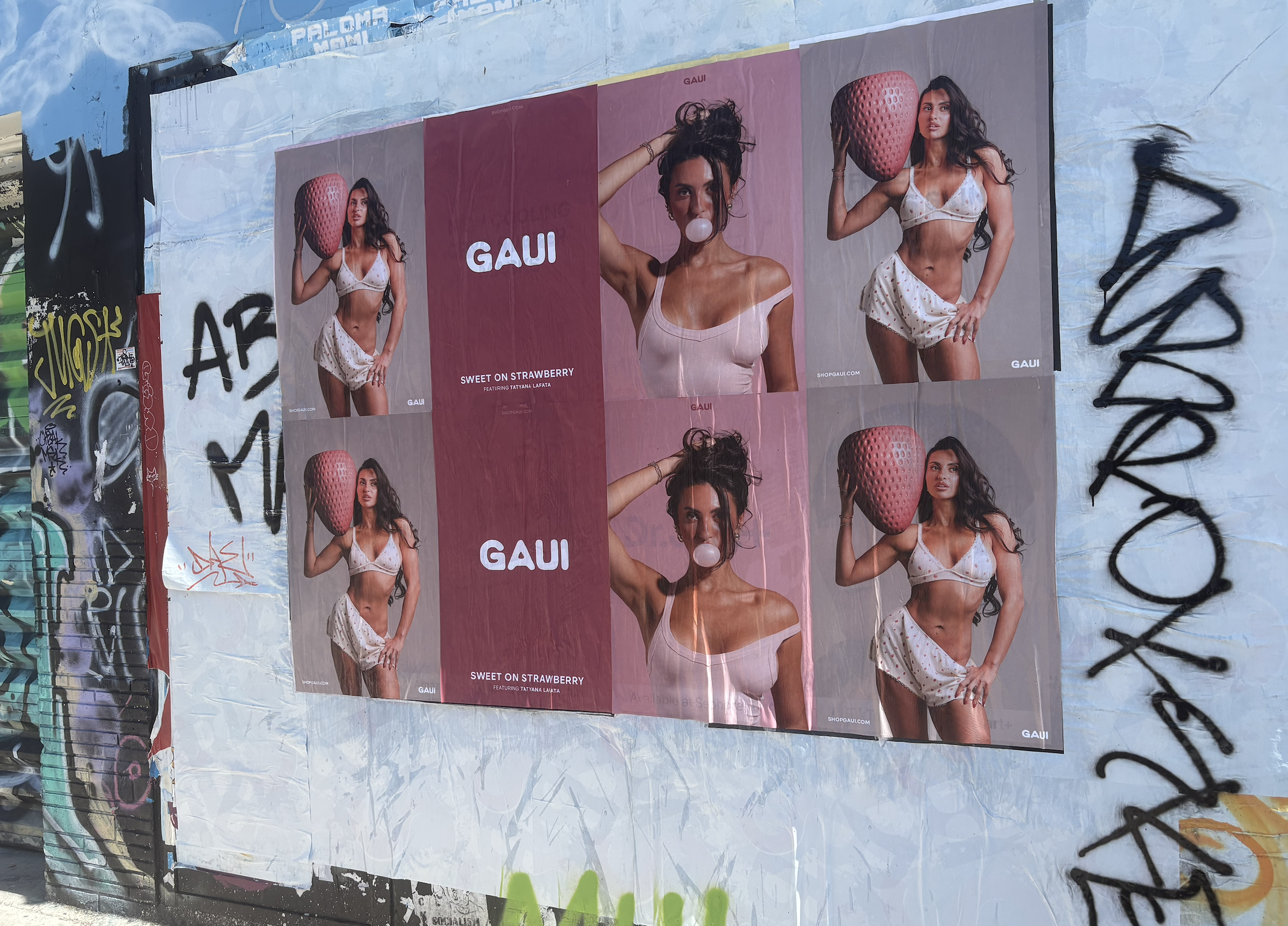
One of the central principles behind Sauced Lab’s approach is that wheatpaste advertising can fail even at high volume if it lacks strategic placement. Installing posters without considering who will actually see them often leads to wasted impressions—even when production numbers are high.
A campaign featuring 1,000 posters with no targeted placement strategy can underperform compared to a more carefully distributed campaign with fewer but better-positioned assets. This becomes especially clear in QR-driven campaigns, where engagement depends entirely on visibility, audience relevance, and context. If the placement environment doesn’t align with the target audience’s behavior, scan rates drop regardless of creative quality.
Sauced Lab builds campaigns around avoiding that gap between distribution and actual engagement. Each placement decision is informed by street-level knowledge of pedestrian flow, neighborhood demographics, and environmental visibility factors.
Data-Informed Feedback and Campaign Learning
Beyond execution, Sauced Lab emphasizes post-campaign analysis and feedback loops. Instead of treating wheatpasting as a static service, each campaign is viewed as an opportunity to refine placement logic and improve future performance. This includes evaluating where visibility was strongest, where engagement was highest, and how different neighborhoods responded to specific types of creative.
Over time, this has created a system where campaigns become increasingly optimized—not just for exposure, but for relevance and response.
Trust Built Through Consistency and Word of Mouth
Sauced Lab’s growth has largely been driven by referrals and repeat clients, reinforcing its position as a word-of-mouth business within the street advertising space. Brands across fashion, retail, and finance—including Adidas, Nike, Sephora, Balmain, Bank of America, and others—have utilized wheatpaste campaigns as part of broader urban marketing strategies.
The consistency of monthly execution, combined with structured planning and localized understanding of New York City’s neighborhoods, has helped establish long-term trust with clients who rely on both scale and precision.
The Core Philosophy
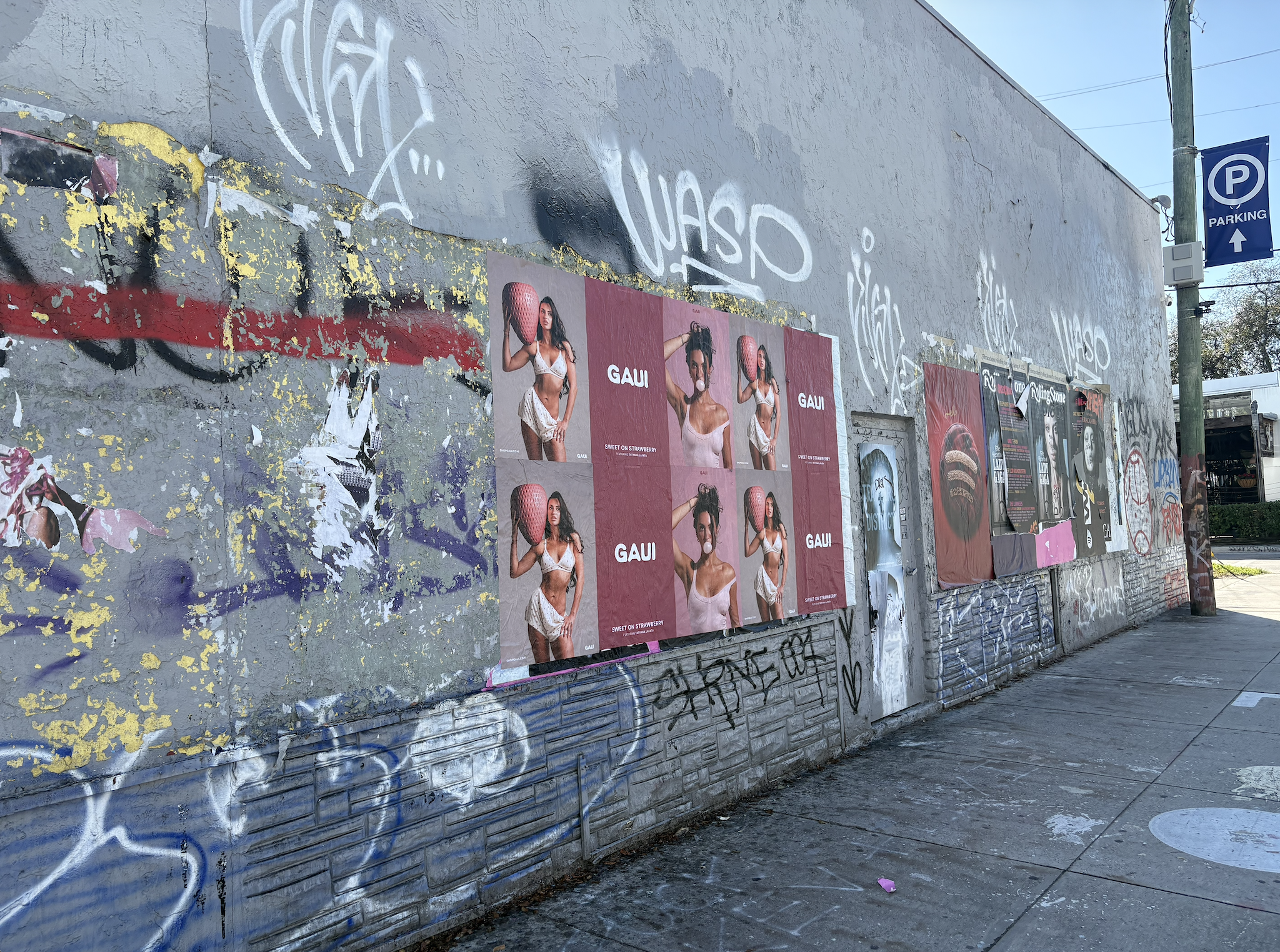
At its foundation, Sauced Lab’s approach is built around a simple shift: moving wheatpaste advertising from intuition-based placement to system-based execution. Instead of asking where posters can go, the focus becomes where they shouldgo—and why that placement will generate meaningful visibility.
In a city as complex and layered as New York, that difference is what turns wheatpaste campaigns from passive installations into active, measurable advertising systems.
